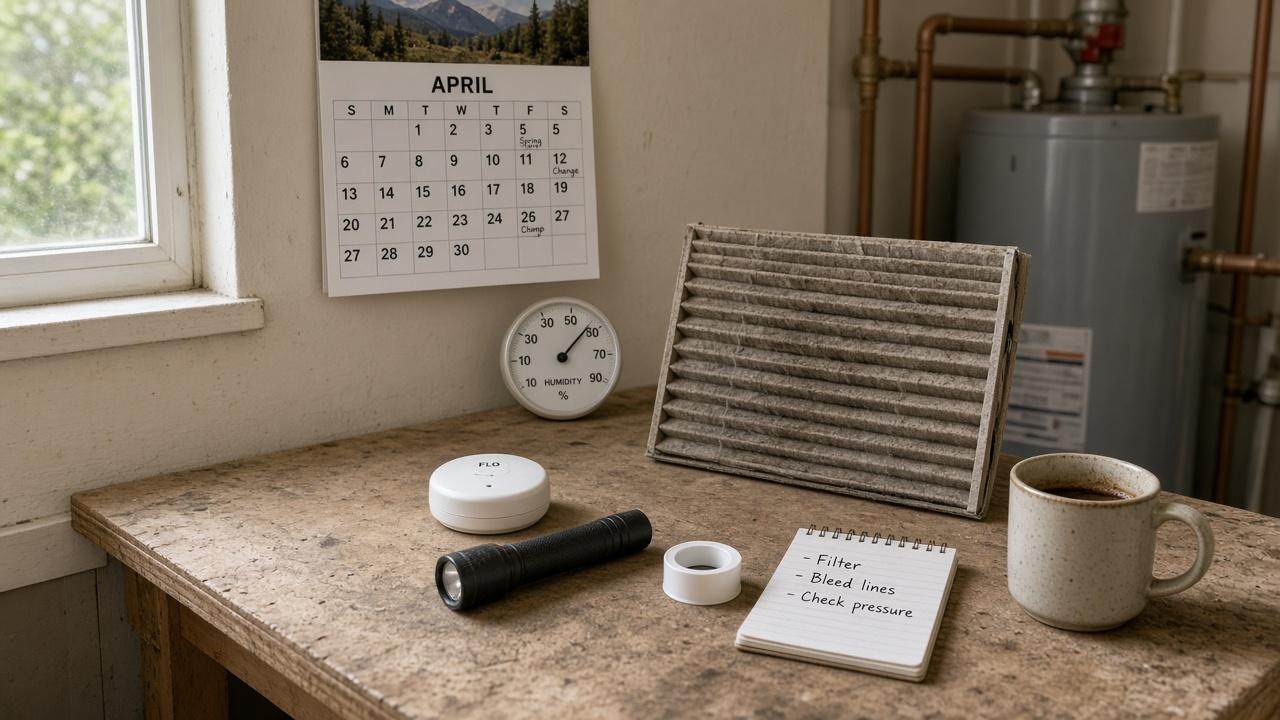
Can AI Predict Repairs Before They Happen?
If you are asking "can AI predict repairs before they happen?", you do not need a dashboard that claims it can see the future. You need a watchlist: which assets are aging, which tickets keep coming back, which seasons raise the odds, and which vendor you already have on file before the line actually fails.
This guide is for property-management companies and self-managing owners. It is not a product review and not legal advice. Incoming tickets still get sorted in How Does AI Triage My Maintenance Requests?. Day-to-day AI jobs live in How Can Property Managers Use AI Day to Day?. The operating loop lives in How Do I Build an AI-First Property Management Workflow?. This post sits one step earlier: risk before the work order, not classification after it.
Educational only, not legal advice. Habitability duties, required inspections, and notice of entry vary by city and state. A ranked "likely to fail" list is not an inspection, a diagnosis, or a dispatch decision. A person still walks the asset. Never paste lockbox codes, gate codes, Social Security numbers, bank details, or extra identity documents into a general chat tool.
Quick answer: AI can rank repair risk. It cannot promise a date.
Yes — if you already keep asset ages, work-order history, and a seasonal calendar, you feed those facts to a model, and you treat the output as a ranked watchlist a person still confirms before anyone buys a part.
No — if you expect a chatbot to "see" a cracked heat exchanger in a hallway photo, auto-order a new roof, or replace a licensed inspection because the confidence score looks high.
Prediction is useful when it moves a filter change, a leak sensor, or a vendor callback earlier. It is hype when it claims a failure date no one can verify. The cheapest layer is still a calendar. Put recurring work on Hommy's Seasonal Maintenance Checklist before you prompt anything.
What does "predict a repair" actually mean for a rental?
It does not mean the model knows Tuesday at 4pm. It means three quieter jobs:
- Rank the asset. This water heater, this condenser, this roof plane is more likely to need work this season than the one next door, given age, last service, and open tickets.
- Surface the cue. Runtime hours, a wet-spot photo, a freeze warning, or three "no heat" tickets in two winters.
- Queue the prevention. A filter, an anode check, a gutter clean, or a plumber already booked for the shoulder season.
Those jobs sit on top of a system you already run. How Do I Build My Rental Maintenance System? is the one-channel, one-closeout habit. Prediction without closeout is a spreadsheet of hunches. Prediction without triage is a watchlist that still dumps emergencies into your phone at midnight.
You also still have a legal floor. A model that "predicted" a leak you never dispatched does not shrink What Repair Duties Am I Legally Responsible For?. Ranking is not performance.
Which signals are actually worth feeding a model?
Start with records you already have. Sensors are optional. A clean ticket log is not.
Work-order history. Same unit, same symptom, same season, is the strongest cheap signal. Three disposal tickets in a year is a pattern. One polite "drip" after two wet-ceiling tickets below is a pattern. Ask the model to cluster by asset and location, not to invent a root cause. Repeat failures belong on a watchlist, not a second vendor guess.
Asset age and last service. Install year, last filter, last flush, last roof walk. If you do not have this, the model is guessing from national averages that do not know your building. A one-page roster per door beats a "predictive AI" login.
Season and weather context. Freeze, heat wave, first hard rain after a dry month, pollen season. "No heat" in a mild week is not the same job as "no heat" during a freeze. Put those notes next to the asset, the same way you put them on a triage card.
Photos you already store. Move-in and prior closeout photos. A stain that grew, a flashing that shifted, a filter that is gray in six weeks. The model can compare captions. It cannot crawl the attic.
A few sensors, if you own the alert. A leak puck at the water heater and washer, a cheap humidity reading in a chronic damp bath, a thermostat that reports runtime. One alert you will actually answer beats a building-wide "digital twin" you will ignore.
If your records are still a pile of texts, How Do I Organize My Rental Records? is the filing habit. Chat is not the unit folder.
What HVAC, plumbing, and roof cues should I watch without buying a lab?
You do not need vibration analytics on every condenser. You need a short cue list a coordinator can actually use.
HVAC. Filter changes that keep slipping. Runtime that jumps while the setpoint barely moves. Ice on a line set. A breaker that trips once and "comes back." A unit that heats in October and dies in the first cold snap. Ask the model to flag skipped seasonal service and repeat short-cycle tickets. Do not let it order a capacitor from a one-line SMS.
Plumbing. Supply-line age on washers and toilets. A water heater past a decade with no flush on file. A slow drain that has been plungered twice. A "contained drip" over a cabinet that already stained. Put a leak sensor where a tank or washer can soak a floor overnight. The model can remind you the tank is old. It cannot smell a gas water heater.
Roof and envelope. First-rain tickets after a dry summer. Granule piles in a downspout. A flashing photo from last year's walk that now shows a gap. Gutters you skipped. These are calendar jobs dressed up as emergencies. The Seasonal Maintenance Checklist is how you pull them back onto a date.
The cue you should not outsource. Gas smell, carbon monoxide, sparking, sewage in the unit, an unsecured door. Those are now, not "predict later." They belong to triage and to a person, not to a watchlist.
When you are ready to hire the trade instead of guessing the part, Should I Hire Out My Rental Repairs? is that split. The model does not get to invent "tenant should buy a plunger" as a way to close a predicted failure.
How do sensors and IoT actually help — and when are they just noise?
A sensor is a cheap witness. It is not a plumber.
Useful when:
- It sits where a failure is expensive and quiet: water heater pan, washer standpipe, HVAC drain, a slab unit you cannot see from the street.
- The alert goes to a channel you already check, with a human rule: "water present" pages someone, "filter due" becomes a work order this week.
- You can name the asset it is watching. An unnamed "device 14" alert at 2am is how people mute the whole system.
Noise when:
- You install twenty gadgets and never write who answers them.
- The vendor's app is the only log, and you cannot export last winter.
- The model treats a low-battery chirp as a flood.
- You skip the walk because "the sensors would have told us."
Start with one or two pucks on the wettest assets you already worry about. Add a humidity reading only if a unit has a mold story. Skip cameras in dwellings unless you already have a lawful, written reason — this post is not a surveillance plan.
A model can turn sensor text into a ticket draft. How Does AI Triage My Maintenance Requests? is still the urgency card. Prediction proposes the watch. Triage decides tonight versus Tuesday.
How should prediction change vendor readiness?
A ranked risk list that has no plumber on file is a weather report. You still get wet.
Keep a one-page roster: trade, primary, backup, after-hours, service area, spend cap. Then use prediction to do three unglamorous things:
- Pre-book shoulder-season visits for assets the watchlist ranked high: HVAC before the first heat wave, a water-heater check before winter, a roof walk before the rainy months.
- Confirm license and availability for the trades you will actually need, not a generic "handyman who can look." Gas, electrical, and active water still go to people allowed to touch them.
- Do not auto-dispatch from a score. A "78% failure probability" is not a purchase order. A person still picks the name and the date.
If you do not already know who you would call, How Do I Find Rental Pros I Can Trust? is the hiring habit. Software will not invent a licensed tech who knows this building.
Cash still has to survive the week a prediction was wrong in the expensive direction. How Much Cash Reserve Do I Really Need? is that buffer. Do not raise an auto-approve cap because a model sounded sure.
When does prediction help, and when is it hype?
It helps when you have messy but real history: tickets, ages, seasons. The model is a clerk that sorts that pile into "walk this month" versus "leave it on the annual list." You still walk.
It helps when it catches skipped prevention. A filter, a gutter, a washer hose. Those jobs are boring. They are also how "emergencies" get manufactured.
It is hype when the pitch is a failure date, a parts SKU, or "we prevent all emergencies." Buildings leak around models. Occupancy, weather, and a tenant who never reports a stain will beat a score.
It is hype when the product will not show you the facts it used. If you cannot see "age + two wet tickets + freeze week," you are buying a vibe.
It is hype when it replaces the walk. A ranked roof is still a roof. Send a person, or a licensed inspector, before you bid a replacement. Prediction can put the walk on the calendar. It cannot stand in for it.
If you are still choosing a small software stack, Which AI Tools Should a Self-Managing Landlord Start With? is the starter kit. Hang prediction on a roster and a calendar, not on a new "AI maintenance" subscription.
What are the fair limits of AI on repair prediction?
It cannot see inside the wall. A photo of a baseboard does not prove the supply line behind it.
It cannot smell gas or feel heat. Text and a humidity number have no odor and no flame.
It cannot know your city. Heat, cooling, and repair-and-deduct rules change. A national model lags.
It cannot be your license check. You still confirm who may touch gas and electrical.
It cannot spend your money. After-hours rates, overtime, and a full system swap are yours.
It cannot close habitability by ranking it. A watchlist nobody walks is still a delay.
It cannot be fair-housing review. Faster prevention in the building that writes fluent English, slower in the one that uses a translator, is a pattern you cannot defend. Same calendar, same cue list, same clocks.
Use AI to cluster history, apply the cue list you wrote, and draft a seasonal work plan. Use a person for the walk, the vendor pick, and every send. That split is the whole prediction story.
What does a starter month of predictive maintenance look like?
You do not buy a sensor kit on a Monday and "turn on prediction."
Week 1. One page per property: HVAC, water heater, roof, main plumbing, last service dates, and the last three tickets that were not cosmetic. If a date is missing, write "unknown." Unknown is a walk, not a prompt.
Week 2. Put prevention on a calendar. Hommy's Seasonal Maintenance Checklist is that layer: filters, gutters, hose-bibs, smoke/CO, weatherstripping. The model should read this list, not invent a new one.
Week 3. Run last year's tickets through a clerk prompt. Ask only for clusters and a watchlist. Compare it to what you actually repaired. Fix the cue list where you disagree.
Week 4. Draft-only: the model proposes "walk these five assets this month." You still schedule. You still call the vendor. Nothing auto-purchases a part.
A prompt that stays in its lane:
You are a maintenance clerk, not a contractor. Using only the asset roster, ticket history, and seasonal notes I paste, list the top watch items for the next 60 days. For each: asset, why it ranked (cite the facts), suggested prevention or inspection, and whether a licensed trade is likely. Do not invent a diagnosis, a failure date, a part number, or a vendor. If a date or photo is missing, say unknown. Flag gas, smoke, active water, sewage, or an unsecured door as immediate triage, not as a watch item.
If you are mapping who owns the walk versus who owns the legal risk, What Does a Property Manager Do for Me? is the split. Software will not invent it.
Move-in photos still earn their keep here. A baseline from Hommy's Move-in / Move-out Inspection Checklist is how you tell a new stain from an old one when the model flags "possible leak."
FAQ
Can ChatGPT tell me when my water heater will fail?
It can remind you the tank is old and that you have no flush on file. It cannot give you a date. Schedule a check. Put a leak sensor in the pan. That is the whole useful answer.
Do I need IoT sensors in every unit before prediction is worth it?
No. A ticket log and a seasonal list already beat a box of gadgets you will mute. Add sensors where a quiet leak is expensive. Skip the rest until you answer the first alerts.
Should I auto-replace an HVAC system because a model ranked it high?
No. Rank it, walk it, get a licensed opinion, then decide. Prediction is a calendar nudge. Replacement is a capital job.
What if the model keeps crying wolf on every water ticket?
Tighten the cue list: contained drip versus moving water, one ticket versus a cluster, a photo versus a caption. Then re-run last year's jobs. Do not lower gas and smoke flags to "fix" water false positives. Those still go to triage.
Where do Hommy's tools sit in this workflow?
Next to the calendar and the cash decision, not instead of the walk. Seasonal checklist before the season, cash reserve before you raise a spend cap, move-in photos so a "new stain" is actually new. Open the landlord tools when you need a list or a number. The model does not get the van.
Final takeaway
You use AI on repair prediction only as a clerk: take the roster and ticket history you already keep, apply the cue list you wrote, rank what to walk this month, and draft the prevention a person will schedule. Speed is real. So is the failure mode — a fluent "likely next quarter" label on a line that is already wet, because nobody went to look.
The model can save you from a skipped filter and a vendor you call too late. It cannot save you from a "fully predicted" portfolio that never booked the visit.
When you are ready to cut the emergencies that are really skipped seasonal work, open the Seasonal Maintenance Checklist and write the calendar before you write another prompt.