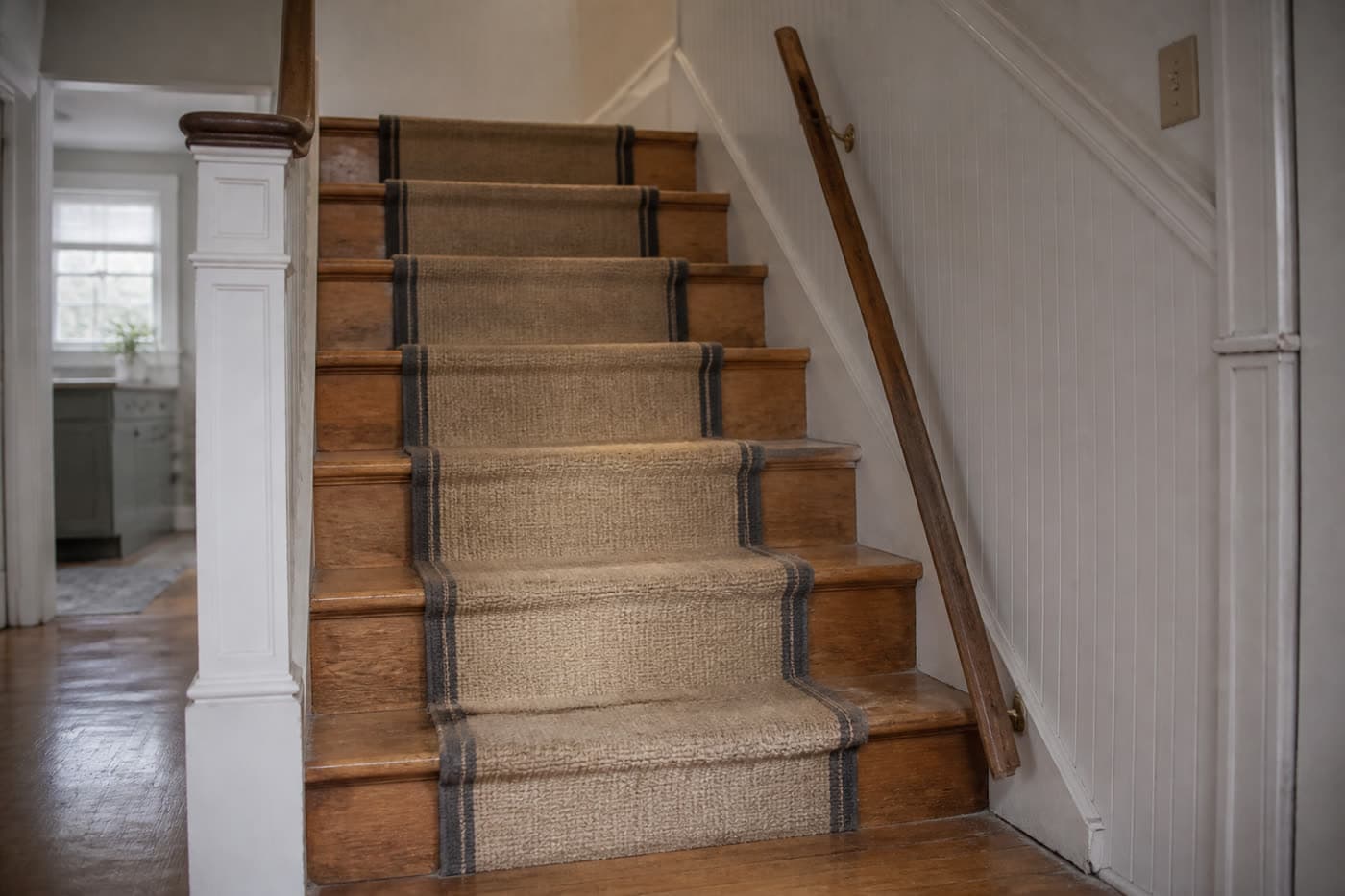
Am I Liable If My Tenant Gets Hurt?
When I ask "am I liable if my tenant gets hurt?", I am facing one of the most uncomfortable realities of landlording: someone can get injured even when I had good intentions. Liability often depends on whether I acted reasonably before and after a risk became visible.
The good news is that I do not need to control every variable to reduce exposure. I need a safety-first operating system: identify hazards early, respond quickly, document actions, and communicate clearly.
What Drives Injury Liability Risk
Injury risk increases when hazards are predictable but unmanaged. I focus on the conditions I can control:
- Structural and walking-surface hazards
- Lighting and visibility issues
- Entry and exit safety
- Moisture and leak-related slip risks
- Deferred repairs in high-traffic areas
I assume that any unresolved safety complaint may later become evidence of preventable risk.
My Pre-Incident Protection Strategy
I use prevention as my first line of legal defense. My routine includes:
- Regular property safety walk-throughs
- Priority repairs for anything tied to bodily harm risk
- Clear tenant reporting instructions for unsafe conditions
- Written maintenance response standards
- Centralized records for requests, fixes, and follow-up
This process complements What Repair Duties Am I Legally Responsible For?, which helps me stay consistent on repair obligations.
The "Reasonable Landlord" Standard I Follow
I operate with a practical benchmark: could I explain my actions as prompt, proportionate, and documented? That means:
- I do not ignore warning signs.
- I do not postpone safety repairs without a mitigation plan.
- I do not rely on memory instead of records.
This mindset shifts me from reactive apologies to proactive risk control.
What I Do Immediately After a Reported Injury
If an incident occurs, I follow a calm response sequence:
- Confirm immediate safety and emergency response needs.
- Secure the area to prevent additional harm.
- Document the condition objectively with notes and photos.
- Preserve communication records and timeline details.
- Coordinate necessary repairs and follow-up updates.
My tone stays factual and respectful. I avoid speculation, blame language, and casual assumptions.
Documentation Habits That Protect Everyone
Good records are not just for legal defense. They also improve resolution quality. I capture:
- Date and time of incident notice
- Reported location and condition
- Immediate response actions
- Repair or mitigation steps taken
- Ongoing communication with tenant
I use the same documentation discipline described in How Do I Organize My Rental Records?, because fragmented records can create unnecessary risk even when I did the right operational work.
How I Handle Gray-Area Situations
Not every incident has obvious responsibility. In gray areas, I focus on:
- Evidence preservation
- Safety stabilization
- Professional communication
- Consistent process adherence
I avoid trying to "win" the narrative in the moment. My priority is to reduce additional harm and maintain a defensible timeline.
Common Injury Scenarios I Plan For
I proactively assess conditions that often trigger disputes:
- Slippery entries during weather shifts
- Uneven paths, steps, or flooring transitions
- Loose railings and unstable fixtures
- Poor exterior lighting
- Delayed response to known leak or drainage issues
By treating these as recurring risk categories, I can monitor them routinely instead of waiting for complaints.
Why Communication Quality Matters
Tenants usually judge my professionalism by consistency and clarity, especially after stressful events. I communicate:
- What actions are being taken now
- What repairs are scheduled next
- What timeline to expect
- How to report any ongoing concern
Clear communication lowers friction and reduces misunderstandings that escalate legal tension.
Financial Readiness for Safety Repairs
Injury-related repair decisions become worse when cash is tight. I maintain buffers and stress-test scenarios so I am not delaying urgent work for budget reasons.
My go-to planning stack:
- Cash Flow Calculator for short-term repair impact
- ROI Calculator for long-term performance tradeoffs
- Rent Estimator for rent-positioning checks if maintenance intensity rises
I also revisit How Much Cash Reserve Do I Really Need? when recurring safety spend starts climbing.
Building a Safer Property Culture
I do not treat safety as a one-time checklist. I treat it as a property culture:
- Tenants know how to report issues quickly
- Repairs are prioritized by harm potential
- Follow-through is visible and consistent
- Preventive tasks are calendarized
A safer culture reduces both incidents and adversarial interactions.
Mistakes I Avoid With Injury Risk
- Minimizing early warning signs. Small hazards can become major claims.
- Delaying repair decisions during busy periods. Risk does not pause for my schedule.
- Using inconsistent response standards. Uneven treatment creates weak patterns.
- Overlooking common areas. Shared spaces often carry high liability exposure.
- Failing to verify completion quality. Partial fixes invite repeat incidents.
My 60-Day Injury Liability Reduction Plan
If I want a measurable upgrade, I run this plan:
- Days 1-15: Perform focused safety audit and classify high-risk conditions.
- Days 16-30: Close high-priority hazards and update tenant reporting guidance.
- Days 31-45: Standardize incident response workflow and documentation templates.
- Days 46-60: Review metrics, recurring risk categories, and reserve adequacy.
This gives me a cleaner baseline and fewer unknowns.
Frequently Asked Questions
Can I eliminate all injury liability as a landlord?
No. I cannot eliminate all risk, but I can reduce exposure significantly through prevention, prompt response, and documentation.
Is tenant communication really that important after an incident?
Yes. Clear communication reduces confusion and helps de-escalate tension while repairs and reviews move forward.
Should I wait for full investigation before making repairs?
No. I secure and stabilize hazards quickly. Delaying corrective action can increase both safety and legal risk.
How often should I inspect for injury risks?
On a recurring schedule and after seasonal shifts or major weather events. Frequency should match property condition and exposure patterns.
Where should I start if my current process is informal?
Start with one safety checklist, one incident log format, and one communication workflow. Consistency matters more than complexity.
Final Takeaway
Injury liability is not only a legal question. It is an operations question. When I run safer properties, respond quickly, and keep clean records, I lower risk for tenants and for my business. The objective is not perfect control. It is reliable, reasonable action.
If I want to strengthen this area now, I tighten maintenance workflows, review repair obligations in What Repair Duties Am I Legally Responsible For?, and verify financial resilience with the Cash Flow Calculator.