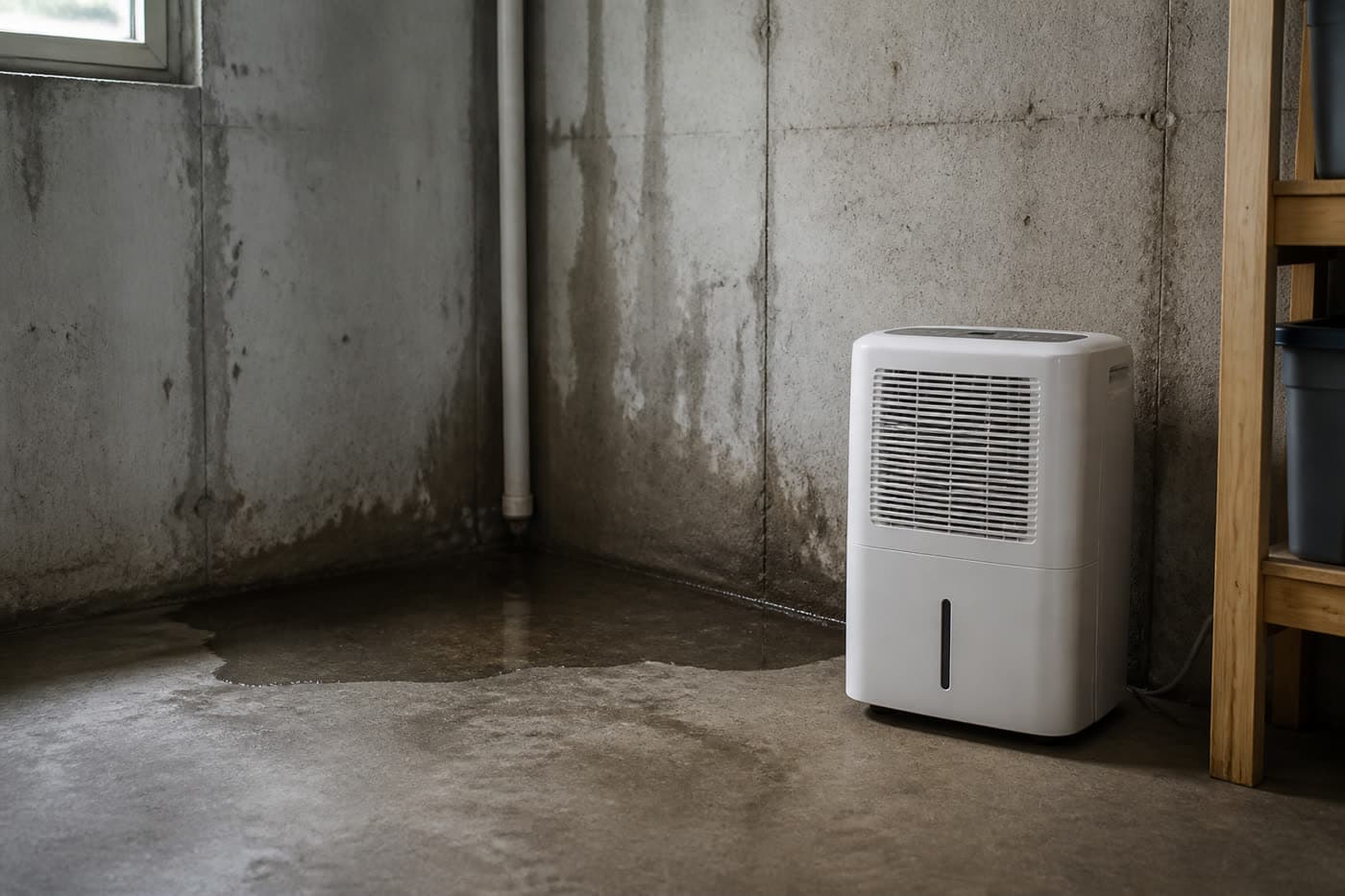
Could I Be Liable for Environmental Hazards?
If I wonder, "could I be liable for environmental hazards?", the short answer is yes, especially when conditions are ignored, delayed, or poorly documented. Environmental health issues often start quietly. A small moisture pattern, stale airflow, or neglected material concern can become a legal and financial headache if I treat it casually.
My approach is straightforward: spot risks early, respond with a documented plan, and never let uncertainty become inaction.
Environmental Hazard Liability Starts With Control
Liability usually grows when a landlord had control over conditions but failed to act reasonably. I focus on what is within my operational reach:
- Moisture and leak control
- Ventilation and airflow quality
- Material deterioration in aging components
- Safe handling of renovation or remediation work
- Prompt response to tenant health-related concerns
I cannot eliminate every risk, but I can prove disciplined management.
The Hazard Categories I Track Proactively
I keep a recurring checklist around common environmental exposure points:
- Water intrusion and persistent dampness
- Ventilation failures in kitchens, bathrooms, and utility areas
- Indoor air quality red flags from unresolved maintenance issues
- Visible material degradation that may require professional assessment
- Exterior drainage problems that feed interior conditions
By framing risks as categories, I avoid one-off thinking and catch patterns earlier.
My Response Framework When a Hazard Is Reported
When a tenant reports a possible environmental hazard, I use this sequence:
- Acknowledge the concern immediately.
- Document symptoms, location, and timeline details.
- Stabilize obvious contributing conditions.
- Bring in qualified support when technical assessment is needed.
- Communicate next steps and timing in writing.
Speed matters, but clarity matters just as much. A rushed, vague response can create more risk than a measured, well-documented plan.
Why Documentation Is Non-Negotiable
Environmental issues can involve evolving symptoms and multiple interactions over time. I keep complete records so I can show:
- What was reported
- What action I took and when
- What findings were observed
- What corrective work was completed
- What follow-up monitoring was done
This documentation standard aligns with How Do I Organize My Rental Records?, which keeps my records usable under pressure.
Preventive Maintenance Is My Best Risk Reduction Tool
I reduce environmental liability most effectively through prevention:
- Routine leak and moisture inspections
- Drainage and exterior water-path checks
- Ventilation function reviews
- Rapid correction of recurring dampness signals
A preventive rhythm costs less than reactive remediation and supports better tenant confidence.
Working With Qualified Professionals the Right Way
Environmental concerns often require specialized judgment. I avoid improvisation by:
- Defining scope clearly before work begins
- Verifying communication and deliverables upfront
- Keeping all findings and completion notes in writing
If I need to improve my vendor selection process, I revisit How Do I Find Rental Pros I Can Trust? and keep my standards consistent across properties.
Tenant Communication During Sensitive Health Concerns
Health-related issues carry emotional weight. I communicate with empathy and precision:
- Confirm concern receipt quickly
- Share immediate mitigation steps
- Explain what assessment will happen and why
- Provide timeline updates without overpromising
I keep communication factual and calm. People are more cooperative when they feel heard and informed.
How I Budget for Environmental Risk Management
Environmental issues can be expensive if ignored. I include preventive and contingency planning in my operating model:
- Baseline maintenance allocation
- Contingency reserve for higher-cost corrective work
- Cash-flow stress test for multi-month remediation scenarios
I use the Cash Flow Calculator for near-term pressure testing and the ROI Calculator to evaluate longer-term return impact when remediation affects timing or rent readiness.
The Link Between Environmental Risk and Habitability
Environmental hazards are not separate from general maintenance obligations. They are part of the same duty to provide safe, livable housing. I keep both frameworks integrated:
- Legal repair obligations from What Repair Duties Am I Legally Responsible For?
- Maintenance workflows from How Do I Build My Rental Maintenance System?
Integration prevents gaps where issues can slip through.
Mistakes I Avoid With Environmental Hazards
- Treating reports as overreactions. I investigate first, then decide.
- Fixing symptoms but not causes. Temporary patches can hide deeper risk.
- Using informal verbal updates only. Written records are essential.
- Delaying specialist support for complex cases. Delay increases exposure.
- Ignoring recurrence patterns. Repeated signals usually indicate systemic issues.
My 90-Day Environmental Risk Upgrade Plan
When I want tighter control, I run this sequence:
- Days 1-20: Audit properties for moisture, airflow, and drainage risk points.
- Days 21-40: Resolve high-priority conditions and improve tenant reporting guidance.
- Days 41-60: Standardize documentation templates for hazard reports and follow-up.
- Days 61-90: Review recurring issue patterns and adjust preventive schedules.
This gives me cleaner operations and clearer legal defensibility.
Frequently Asked Questions
Do I need to treat every environmental concern as an emergency?
Not every concern is an emergency, but every concern deserves prompt acknowledgment, assessment, and documented follow-through.
Can I handle environmental risk with only basic maintenance?
Basic maintenance helps, but hazard-prone conditions need targeted prevention and structured response workflows.
What if I am unsure whether a condition is serious?
I document what I observe, stabilize obvious contributors, and involve qualified help when technical judgment is required.
Should tenants be updated even when there is no final answer yet?
Yes. Progress updates build trust and reduce conflict while assessments are still in motion.
How do I reduce surprise costs from environmental issues?
I maintain a preventive calendar, keep contingency reserves, and run stress tests so decisions are not made under financial panic.
Final Takeaway
Environmental hazard liability is rarely about one dramatic event. It is usually about whether I managed ongoing conditions responsibly. When I detect early, respond clearly, and document thoroughly, I reduce risk for tenants and protect my business.
If I want to strengthen this area now, I formalize hazard response workflows, review legal maintenance obligations, and pressure-test reserves with the Cash Flow Calculator and ROI Calculator.