How Do I Prepare My Rental Property for Tenants?
You've found the perfect rental property, secured financing, and you're ready to start earning rental income. But before you can welcome your first tenant, there's critical work to be done. Preparing your property properly can mean the difference between attracting quality tenants quickly or watching your unit sit vacant for months.
The preparation process involves more than just a quick cleaning. You need to ensure legal compliance, make strategic decisions about improvements, and create an environment that makes prospective tenants excited to call your property home.
Start with Legal Compliance
Before you even think about cosmetic improvements, your property must meet all local housing codes and safety requirements. This isn't optional—it's your legal obligation as a landlord.
Understanding Your Legal Responsibilities
Every jurisdiction has specific requirements for rental properties. These typically include:
- Working smoke detectors in every bedroom and on each floor
- Carbon monoxide detectors near sleeping areas and fuel-burning appliances
- Ground-fault circuit interrupter (GFCI) outlets in kitchens, bathrooms, and outdoor areas
- Proper egress from bedrooms (windows that open and meet size requirements)
- Functional heating and cooling systems that maintain safe temperatures
- Adequate plumbing with hot water available
- Structural integrity with no safety hazards
Violating these requirements doesn't just put tenants at risk—it exposes you to legal liability and potential lawsuits. A tenant injured due to code violations could hold you financially responsible.
Getting a Professional Inspection
If you recently purchased the property, you likely have an inspection report. But if the property hasn't been inspected recently, or if you've owned it for a while, consider hiring a professional inspector.
A thorough inspection will identify:
- Electrical issues that need immediate attention
- Plumbing problems that could become emergencies
- Structural concerns that affect safety
- Roof conditions that might lead to leaks
- HVAC systems that need servicing or replacement
- Foundation issues that could worsen over time
Look for an inspector who provides a detailed written report with prioritized recommendations. This helps you understand which problems demand immediate fixes versus those you can address over time.
Common Code Violations to Watch For
Some violations are more common than others. Pay special attention to:
- Missing or non-functional smoke detectors—this is one of the most frequent violations
- Lack of GFCI protection in wet areas
- Insufficient carbon monoxide detection near gas appliances
- Improper electrical wiring that creates fire hazards
- Inadequate heating that fails to maintain minimum temperatures
- Broken or missing handrails on stairs and porches
Addressing these issues before listing your property protects you legally and ensures tenant safety.
How Property Managers Handle Compliance
Navigating code requirements and ensuring ongoing compliance can feel overwhelming, especially if you're new to being a landlord or managing multiple properties. This is where professional property managers shine.
Property managers bring expertise in:
- Local code knowledge—they stay current with housing codes, licensing requirements, and safety regulations in your area
- Inspection coordination—they schedule and manage inspections, ensuring your property passes on the first try
- Vendor relationships—they work with trusted contractors who understand rental property requirements and can complete code-compliant repairs efficiently
- Ongoing compliance—they monitor your property for compliance issues and address them proactively before they become violations
- Documentation—they maintain records of inspections, repairs, and compliance measures that protect you legally
The compliance advantage:
When you work with a property manager, you're not just hiring someone to collect rent—you're getting a compliance expert who understands the legal landscape. They know which smoke detectors meet current standards, which electrical upgrades are required, and how to navigate local licensing requirements.
This expertise is particularly valuable if you:
- Own properties in multiple jurisdictions with different requirements
- Don't have time to research and stay current with changing regulations
- Want peace of mind knowing compliance is handled by professionals
- Prefer to focus on growing your portfolio rather than managing day-to-day details
Property managers also help you avoid costly mistakes. A single code violation can result in fines, legal liability, or even the inability to rent your property. Professional management helps ensure you never face these consequences.
Ready to find a property manager who can handle compliance for you? Get matched with trusted property management professionals in your area who specialize in keeping rental properties code-compliant and legally protected.
Once your property meets all legal requirements, you'll need to decide whether to invest in improvements before renting. This decision involves understanding your market, calculating returns, and determining what's necessary versus what's optional. For a complete guide on making these strategic decisions, see our article on repairs vs. improvements for rental properties.
Creating Curb Appeal That Attracts Tenants
The moment a prospective tenant pulls up to your property, they're forming an opinion. If the exterior looks neglected, many will drive away without even stepping inside—no matter how nice the interior might be.
Exterior Maintenance Checklist
Your property's exterior should demonstrate that you care about maintenance and that the property is well-managed:
Landscaping and Cleanliness:
- Mow the lawn and trim all shrubs
- Remove weeds from flower beds and walkways
- Clear debris from the yard, porch, and driveway
- Sweep sidewalks and entryways
- Remove any trash or clutter
Structural Elements:
- Wash all windows inside and out
- Test that the doorbell works
- Ensure the property address is clearly visible from the street
- Replace any burnt-out exterior light bulbs
- Consider adding motion-sensor lights for security
Cosmetic Touches:
- Add potted plants or flowers near the entrance
- Place a clean welcome mat at the front door
- Consider adding a bench or decorative elements to the porch
- Paint the exterior if it's faded or peeling
- Touch up trim and shutters
Safety Features:
- Ensure walkways are clear and safe
- Fix any loose railings or steps
- Remove any tripping hazards
- Check that outdoor lighting provides adequate visibility
Outdoor improvements often offer excellent returns. Landscaping projects, in particular, can return more than 100% of their cost when you eventually sell the property.
The Power of First Impressions
A well-maintained exterior signals to tenants that:
- You're a responsible landlord who maintains the property
- The interior is likely in good condition too
- They can expect prompt responses to maintenance requests
- The property is worth the asking rent
This psychological impact is real. Tenants who feel good about a property from the moment they arrive are more likely to apply and more willing to pay premium rent.
Preparing the Interior for Showings
Once tenants step inside, every detail matters. A clean, well-maintained interior helps prospective tenants visualize themselves living there—which is exactly what you want.
Deep Cleaning Essentials
The interior should be absolutely spotless. This means:
- Kitchen: Clean all appliances inside and out, scrub cabinets, clean countertops, and ensure fixtures shine
- Bathrooms: Remove all mildew, clean grout, polish fixtures, and ensure everything sparkles
- All rooms: Dust every surface, vacuum or sweep floors, clean windows, and remove any odors
- Closets and storage: Empty and clean all storage spaces
- Basement and attic: Organize and clean these areas if tenants will have access
If you don't have time for deep cleaning, hiring a professional cleaning service often pays for itself by reducing vacancy time.
Flooring and Surfaces
- Replace any torn, badly stained, or mildewed flooring
- Remove slippery throw rugs that could cause falls
- Ensure all surfaces are clean and in good condition
- Consider professional carpet cleaning if carpets are in good shape but just need refreshing
Functionality Check
Everything should work perfectly:
- Test all light switches and replace burnt-out bulbs
- Use consistent bulb types and color temperatures throughout (avoid mixing "daylight" and "soft white")
- Ensure ceiling fans operate properly
- Test all appliances
- Verify that locks work smoothly
- Check that windows open and close easily
- Test heating and cooling systems
- Ensure plumbing works without leaks or drips
Creating an Inviting Atmosphere
Help tenants imagine living in the space:
- Window coverings: Replace damaged blinds or curtains, and keep them open during showings to maximize natural light
- Fresh paint: Repaint all rooms in neutral colors if it's been more than a year since the last paint job
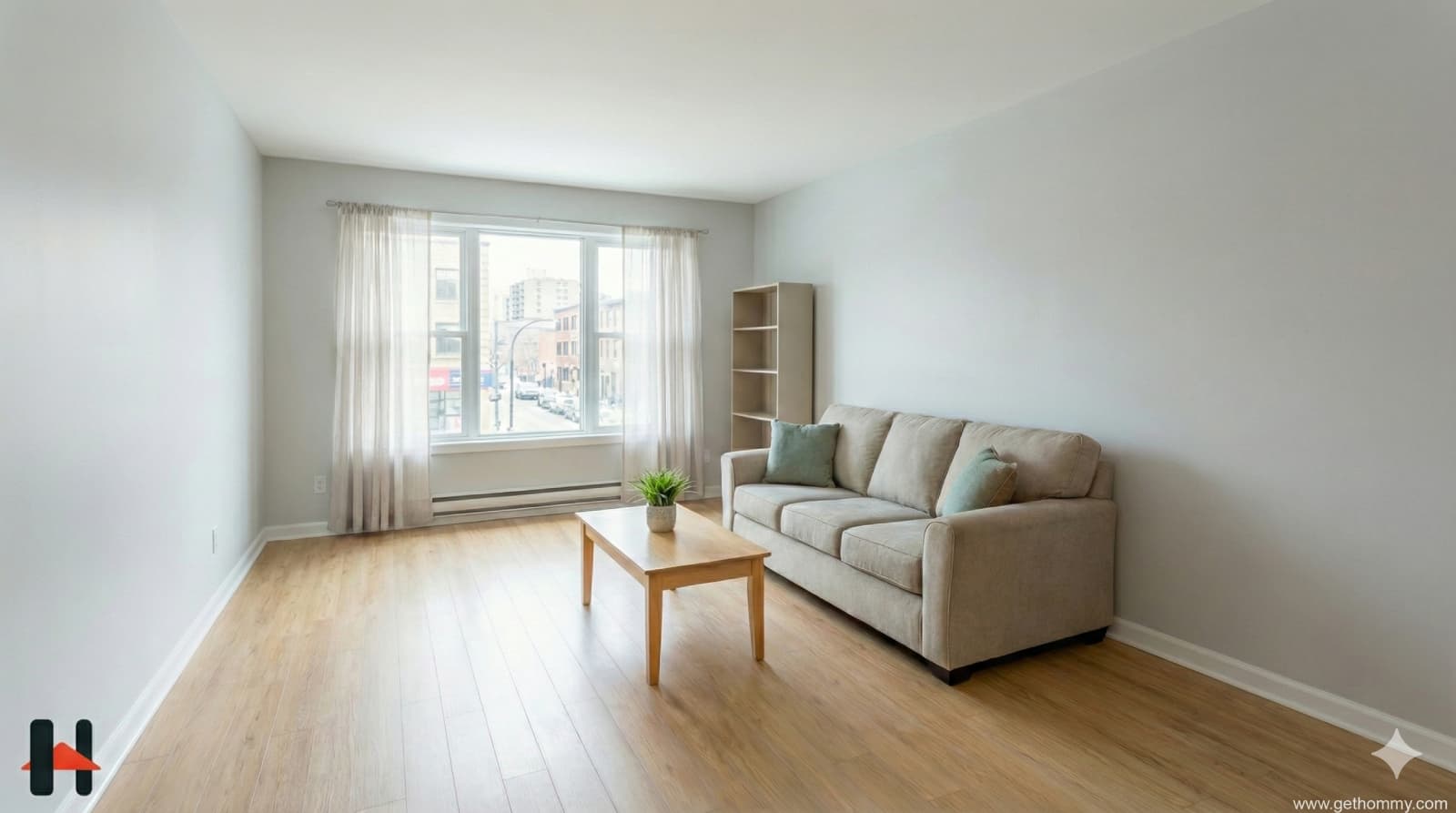
- Furniture staging: Add a few tasteful pieces—a chair or two, a coffee table with flowers, some books or magazines
- Bathroom touches: Hang a new, neutral shower curtain and remove old soap bars or used towels
- Pest control: Eliminate any visible pests before showings
- Safety features: Install outlet covers if families with children will be viewing, and childproof any dangerous areas like pools or stairways
- Fire safety: Verify smoke detectors, carbon monoxide detectors, and fire extinguishers are in place and functional
- Pleasant scents: Consider subtle, pleasant scents (like a pot of spiced apple cider on the stove) rather than overpowering air fresheners
The "Move-In Ready" Standard
Your property should meet what experienced landlords call the "move-in ready" standard: a tenant could literally move in tomorrow without needing to clean, paint, or fix anything. This standard:
- Attracts quality tenants who value well-maintained properties
- Justifies premium rent pricing
- Reduces move-in complaints and requests
- Sets expectations for ongoing maintenance standards
As one experienced landlord puts it: "The rental property should look like the kind of place you would live in yourself."
Budgeting for Preparation Costs
Preparing a property for rent involves real costs. Budget for:
- Professional inspection: $300-$500
- Code compliance fixes: Varies widely based on property condition
- Deep cleaning: $200-$500 depending on property size
- Paint: $500-$2,000 for a full interior repaint
- Minor repairs: $500-$2,000 for various fixes
- Landscaping: $200-$1,000 for basic cleanup and improvements
- Staging elements: $100-$500 for furniture and decorative items
While these costs add up, they're typically much less expensive than extended vacancy periods. A property that sits empty for an extra month costs you far more than professional preparation.
The Bottom Line
Preparing your rental property properly is an investment in your success as a landlord. Properties that are code-compliant, clean, and well-maintained:
- Attract quality tenants faster
- Command higher rents
- Experience fewer move-in complaints
- Set the foundation for positive landlord-tenant relationships
- Protect you from legal liability
Take the time to do it right from the start. The effort you put into preparation will pay dividends throughout your property's rental life.
Frequently Asked Questions
How long does it take to prepare a rental property?
Most properties need 1-4 weeks of preparation work, depending on the condition and scope of needed repairs. Simple cleaning and cosmetic updates might take just a few days, while properties needing major repairs could take months.
Do I need a professional inspection before renting?
While not always legally required, a professional inspection is highly recommended. It identifies safety issues, code violations, and maintenance needs before tenants move in, protecting you from liability and unexpected emergency repairs.
Should I stage my rental property?
Light staging with a few key pieces of furniture can help tenants visualize living in the space. However, full staging (like you'd do when selling) is usually unnecessary and expensive for rentals. Focus on cleanliness and functionality instead.
What if my property needs major repairs I can't afford?
If necessary repairs exceed your budget, you have a few options: secure financing for the repairs, partner with an investor, or consider selling the property. Don't rent a property that doesn't meet basic habitability requirements—the legal and financial risks are too high.
How much should I spend on preparing my rental?
There's no one-size-fits-all answer, but most landlords spend 1-3% of the property's value on initial preparation. The key is ensuring the property is safe, clean, and competitive with similar rentals in your market.
Can I prepare the property myself or should I hire help?
Many landlords handle basic cleaning and minor repairs themselves to save money. However, consider hiring professionals for: electrical work, plumbing repairs, major cleaning, and any work requiring permits. The cost is often worth the time saved and quality assurance.
Ready to calculate your rental property's potential returns? Use our free Cash Flow Calculator to see how preparation costs affect your investment, or get a Rent Estimate to understand what your property might rent for in your market.