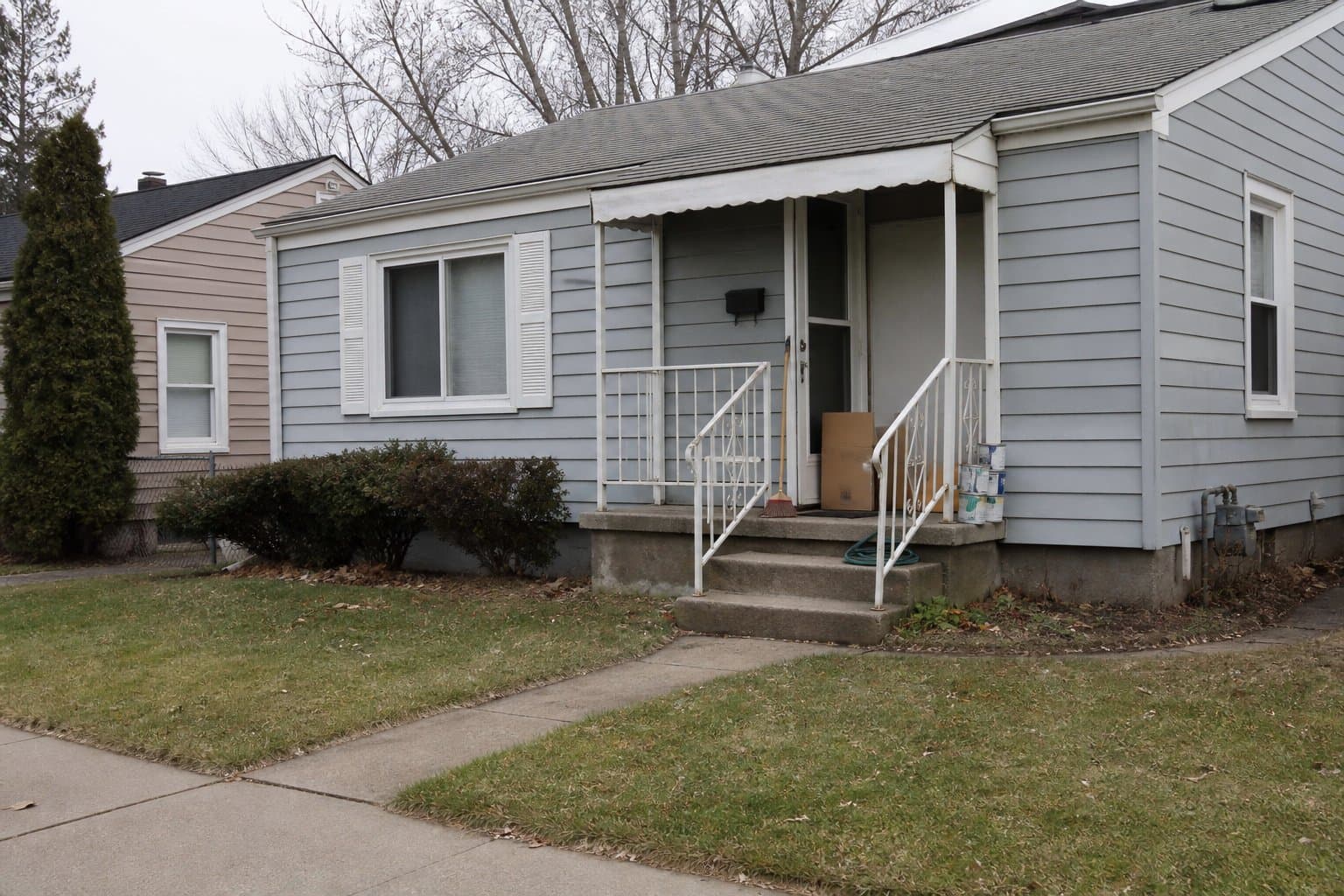
How Do I Get My Rental Ready to Sell?
If I am asking, "How do I get my rental ready to sell?" I usually need two things at once: a practical plan and fewer surprises. I want to protect my sale price, avoid avoidable delays, and keep relationships steady with tenants, buyers, and vendors.
This guide is educational and not legal, tax, or financial advice. I use it as a field checklist, then confirm local requirements with licensed professionals before I act.
If I am still deciding whether to sell now, hold longer, or try a slower transition path, I start with What's Driving My Rental Exit Plan? and What Are My Rental Exit Options?. A clear objective keeps me from reacting emotionally when listing pressure starts.
Start With My Sale Goal and Timeline
Before I touch paint, stage furniture, or call a listing agent, I define what "success" means for this sale. Otherwise, I can spend money and time in the wrong places.
My first planning pass answers:
- What is my primary outcome? Maximum price, fastest close, least disruption, or cash-out by a certain date?
- What deadline is fixed? Tax planning, relocation, debt payoff, or reinvestment window?
- What level of effort can I actually handle? Full prep, light prep, or mostly as-is sale strategy?
- What is my negotiation posture? Firm on timeline, flexible on price, or vice versa?
When this is clear, every later decision gets easier. If my true goal is speed, I should not run a six-week cosmetic project that pushes listing into a weaker market window. If my goal is top-end price, I need to prepare for tighter buyer scrutiny and potentially longer prep.
Decide Early: Sell Occupied or Deliver Vacant
One of the biggest strategic choices is whether I sell with tenants in place or wait for vacancy. Neither path is universally better.
Selling occupied
Possible benefits:
- Continued rent while the property is marketed
- Fewer carrying costs from an empty unit
- Better fit for investor buyers who want immediate income
Common tradeoffs:
- Showing coordination can be harder
- Tenant schedules and privacy affect access
- Some retail buyers prefer vacant possession
Delivering vacant
Possible benefits:
- Easier staging, photography, and showing windows
- Broader buyer pool in some markets
- Simpler make-ready execution
Common tradeoffs:
- Vacancy can create holding cost pressure
- Make-ready timeline can drift
- Market conditions can shift while I prepare
If tenants are in place, I review What Rights Does My Tenant Have If I Sell? before I finalize my plan. That avoids promising a buyer something I cannot lawfully deliver.
Build a Buyer-Ready Document Package
Strong documentation shortens diligence and builds buyer confidence. Weak documentation invites renegotiation.
I assemble a clean package before listing:
- Current lease or rental agreement
Signed copies, addenda, renewal terms, and any written modifications. - Rent roll snapshot
Current rent, payment cadence, due date, and occupancy status. - Security deposit records
Amount held, any permitted deductions already made, and transfer-ready accounting. - Payment history summary
Not every micro-detail, but enough to show consistency and exceptions. - Maintenance and repair log
What was fixed, when, by whom, and whether invoices are available. - Vendor list
Plumber, HVAC, appliance, landscaping, and other recurring service contacts. - Utility and service responsibilities
Clear split of landlord-paid versus tenant-paid items. - Active notices or open issues
Anything unresolved that a buyer should evaluate honestly.
I keep everything in one shareable folder with clear filenames and dates. The goal is simple: if a serious buyer asks for core documents, I can send a complete packet quickly instead of assembling it under pressure.
Triage Repairs: Value-Adding Fixes vs Over-Improving
Before selling, I do not assume every improvement pays back. My job is to remove objections, not to win a design award.
I use a triage framework:
Priority 1: Fix deal-killers first
- Safety hazards
- Active leaks or moisture issues
- Broken core systems (heating, cooling, water, electrical)
- Obvious code or habitability red flags
If these are ignored, buyers either walk or discount heavily.
Priority 2: Fix high-visibility functional problems
- Doors, locks, windows that do not operate correctly
- Damaged flooring in major living areas
- Non-working fixtures or appliances included in sale
- Noticeable deferred maintenance that signals neglect
These items shape buyer trust. When buyers see basic systems maintained, they assume hidden issues are less likely.
Priority 3: Be selective on cosmetics
- Neutral paint touch-ups where condition is rough
- Lighting improvements in dark rooms
- Simple curb-appeal refreshes
I skip expensive upgrades that are style-specific unless comps clearly support a premium. For a deeper framework, I cross-check Should I Make Repairs or Improvements on My Rental Property?.
Prepare Showing Logistics if Tenants Are Still in Place
Occupied showings can work well when expectations are clear and communication is consistent.
My occupied-showing playbook:
- Set showing windows in writing so no one is guessing.
- Use one scheduling channel to reduce double-booking and confusion.
- Group showings when possible to limit repeated disruptions.
- Confirm notice timing every time based on local rules and lease terms.
- Share a short preparation list with tenants (pets, lights, surfaces, entry protocol).
- Keep tours professional and brief so trust is not eroded.
I also decide in advance how I will handle:
- Appraisal access
- Inspection access
- Follow-up contractor bids requested by buyers
- Last-minute reschedules
If the showing process feels improvised, everyone feels stressed. If it feels predictable, transaction momentum stays stronger.
Get Pricing and Comp Prep Done Before Listing Goes Live
Pricing too high can freeze early momentum. Pricing too low can leave value on the table. I prepare my pricing case before the listing is published.
My prep checklist includes:
- Recent comparable sales with notes on condition and concessions
- Active competition and time-on-market trends in my submarket
- Occupied versus vacant positioning relative to nearby inventory
- Repair scope already completed versus work deferred
- Likely buyer profile (investor-focused, owner-occupant, or mixed)
I also prepare a short "seller packet" for agents and serious buyers:
- Property highlights
- Recent improvements and service records
- Lease and income summary (if occupied)
- Known limitations disclosed early
When I can explain both strengths and constraints clearly, I protect credibility. That usually leads to cleaner offers and fewer surprises during due diligence.
My Listing Readiness Checklist
Before launch day, I run this final pass:
- Sale objective and timeline are documented
- Occupied vs vacant strategy is final
- Core repairs are complete or priced into strategy
- Document package is complete and shareable
- Showing protocol is defined
- Tenant communication plan is ready (if occupied)
- Pricing rationale is documented with comps
- Pre-list photos and marketing assets are complete
- Disclosure materials are organized
- Closing handoff list is drafted
If I cannot check most of these boxes, I delay launch briefly rather than list in a half-ready state.
Plan the Closing Handoff Before I Accept an Offer
Many sellers wait too long to think about handoff details. I prepare early so closing day is predictable.
My handoff list usually includes:
- Keys and access credentials
Physical keys, mailbox keys, gate fobs, digital codes, and account transfer instructions. - Security deposit transfer records
Exact amount, supporting ledger, and any required notices. - Rent proration details
Clear close-date calculations so there are no payment disputes. - Open work orders and warranties
What is in progress, who is assigned, and what coverage remains. - Vendor and emergency contacts
Names, phone numbers, scope, and typical response expectations. - Utility and service transition notes
Who pays what, account references, and timing. - Tenant communication handoff
Who introduces the new owner or manager and when.
This is where many smooth deals are won: not by fancy language, but by organized execution.
Use Numbers to Pressure-Test My Strategy
Even a quick model helps me avoid guesswork. I compare scenarios:
- Sell occupied now
- Wait for vacancy and list later
- Spend on make-ready versus sell with credits
Want to run the math before deciding? Try the free Cash Flow Calculator to compare hold costs and income assumptions under each path.
I am not looking for perfect certainty. I am looking for a decision I can defend with clear assumptions.
Common Mistakes I Avoid
When I am under timeline pressure, these are the traps:
- Starting repairs without a strategy or budget cap
- Listing before documentation is organized
- Sending inconsistent messages to tenants and buyers
- Over-upgrading finishes that do not move valuation
- Ignoring showing logistics until access becomes a conflict
- Waiting until escrow to assemble handoff materials
Most of these are process failures, not market failures. Process is something I can control.
FAQ
Should I renovate my rental fully before I sell?
Not always. I usually prioritize safety, function, and visible maintenance over expensive style upgrades unless comps clearly support the spend.
Can I market my rental while tenants still live there?
Often yes, but I treat access and communication as a formal process, not an improvisation. Occupied sales work best with consistent scheduling and clear expectations.
What documents do buyers care about most for an occupied rental?
Usually the current lease, rent roll, security deposit records, payment history summary, and maintenance history.
How do I decide between selling occupied and vacant?
I compare timeline, buyer pool fit, carrying costs, likely pricing impact, and operational stress. Then I pick the path that best matches my primary objective.
What should be ready at closing besides the deed transfer?
Keys, deposit transfer records, rent proration details, vendor contacts, open repair status, and clear tenant handoff communication.
Final Takeaway
Getting my rental ready to sell is less about a perfect property and more about a disciplined process. When my goal is clear, my strategy is chosen early, my records are clean, and my handoff is prepared, I create better outcomes for myself, the buyer, and the tenant.
If I want the flexibility to keep owning without handling every daily task, Hommy can help me connect with a local property manager while I evaluate my long-term exit plan.